Along with intact toys (orphaned toys to non-existent children), qurans and other items, les etendards seem to have tickled the photographers' fancy, and it appeared legitimate at first, until I looked closer and discovered more monkey business - I mean, will these people stop at nothing? No professional integrity? No standards? Are they that starved for money? Or are they actually pushing a far darker, more destructive agenda? (hoping obviously that the readers are utter idiots who buy into their dirty little tricks each and every time). I mean consider pictures 3 and 4 below, one taken by Ramzi Haidar (AFP), undated, of a southern suburb in Beirut, mentioning also the deadly attack of the Jewish center in Seattle, the other contributed by Reuter's Sharif Karim (of the toy and mannequin scam fame), dated July 28, of a demolished Hizbollah stronghold - same props (two Lebanese flags and a caricature), planted possibly among the same ruins. Now the blogosphere has linked Sharif Karim's name to that of Adnan Hajj and/or Issam Kobeisy/Kobeisi.
Pictures 8 and 9 are also identical, taken by the same photographer for AFP.
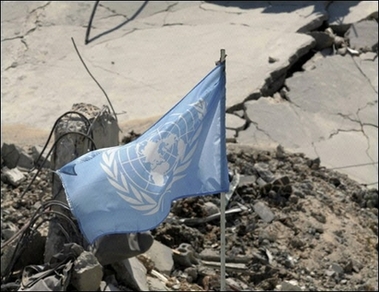 A United Nations (UN) flag flies on a car (not seen) parked in front of a residential building demolished by Israeli air strikes in the southern Lebanese port city of Tyre . The UN Security Council failed to agree (sic!) a statement condemning the killing of four UN military observers in an attack by Israel in Lebanon, diplomats said (AFP/Hassan Ammar)
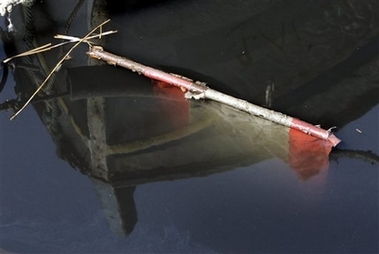 The Lebanese flag of a fishing boat is seen partially submerged amidst the wreckage of fishing boats, at the port of the southern Beirut suburb of Ouzai , Lebanon , Friday Aug. 4, 2006, following an Israeli airstrike earlier. Israel 's pounding of Hezbollah positions across Lebanon expanded Friday with missiles targeting bridges in the Christian heartland north of Beirut for the first time. (AP Photo/Lefteris Pitarakis)
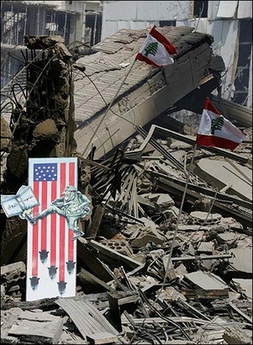 An anti-US sign and Lebanese flags are placed amid the rubble of buildings attacked by Israeli air strikes in the southern suburbs of Beirut . A gunman who allegedly said he was "angry at Israel " killed a woman and wounded five others in a Jewish community center in Seattle.(AFP/Ramzi Haidar)
 Lebanese flags and an anti-Israeli and anti-U.S. caricature are planted amongst a demolished building in a Hizbollah stronghold whach had been targeted by Israeli air strikes during the taping of a political video clip in south Beirut July 28, 2006. REUTERS/Sharif Karim (LEBANON)
 A Lebanese flag placed amid the rubble of buildings destroyed by Israeli air strikes in the southern suburbs of Beirut . Israel has launched fresh air strikes on Beirut after a lull of several days in its onslaught which Lebanese officials say has killed more than 900 nationals and wounded over 3,000 others in three weeks.(AFP/Patrick Baz)
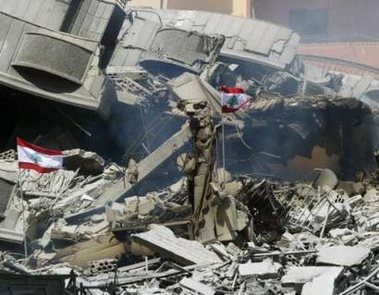 Lebanese flags flutter amongst a demolished building in a Hizbollah stronghold targeted by Israeli air strikes during the taping of a political video clip in south Beirut July 28 2006. REUTERS/Sharif Karim ( LEBANON )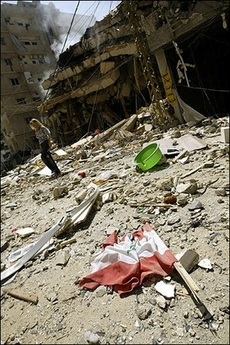
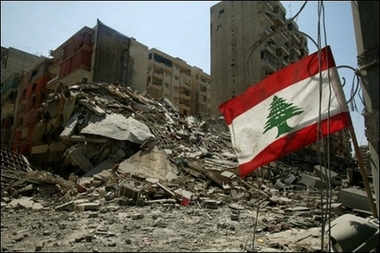
A Lebanese flag flies amid the rubble of buildings destroyed by Israeli bombardments in the southern suburbs of Beirut . Israeli troops were battling Hezbollah fighters after columns of tanks rolled further into Lebanon but Israel said its threatened major ground offensive was on hold to give peace efforts a chance.(AFP/Haitham Mussawi)
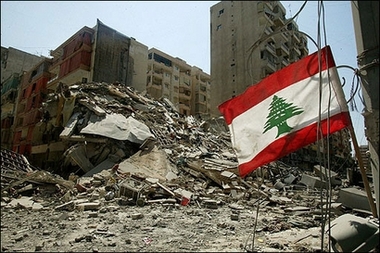 A Lebanese flag flies amid the rubble of buildings destroyed by Israeli bombardment in the southern suburbs of Beirut , a stronghold of Hezbollah. Israeli troops, backed by tank units, battled Hezbollah fighters in south Lebanon as the United Nations criticized both sides for blocking aid supplies to 120,000 stranded civilians.(AFP/Haitham Mussawi – also contributed live pictures from Nasrallah's July 12 news conference) (why post identical pictures with slightly modified captions?).
 A torn Lebanese flag is seen in the fishing port of Beirut 's Uzai district near the airport, one day after it was attacked by Israeli air strikes. France and the United States agreed on a proposed UN Security Council call for a ceasefire in Lebanon as Israel hammered the country with what police described as the heaviest bombardment of the 25-day-old conflict.(AFP/Patrick Baz)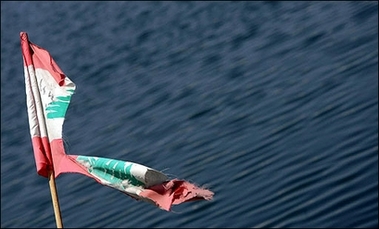
Tattered remnants : A torn Lebanese flag is seen in the fishing port of Beirut 's Uzai district near the airport, after it was attacked by Israeli air strikes. (AFP/Patrick Baz) (why post identical pictures with slightly modified captions?).
The last two pictures were contributed by Patrick Baz for AFP, but he "is an honourable man", not another fauxtographer. Or is he? Because I can't figure out how he could post the ambulance below claiming that it was blasted by Israeli missiles. Does that look anything like missile damage? Find any similarity?
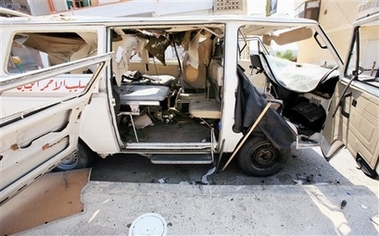
Find the differences! It shouldn't be too hard: Burnt out cars smoulder following a Katyusha missile attack on the northern Israeli port of Haifa in August 2006. Three rockets have been fired by militants in the Gaza Strip landed in southern Israel causing damage to property.(AFP/File/Hrvoje Polan)

The vehicles in Haifa were damaged by a Katyusha rocket fired by the Hezbollah during the hostilities. Could it be that high-tech, laser-guided Israeli missiles are less efficient than crude rockets? Do they fail to ignite on contact? Please bear that in mind when Palestinians parade missile attack (the eternal double strikes) victims in front of the ever eager cameras: do they look like they had been consumed, or even touched by that kind of conflagration?
But let's get back to Patrick Baz for a moment:

Lebanese men mourn over bodies of family members wrapped in Lebanese flags at a Shiite shrine in Beirut during a mass funeral of people killed in an Israeli bombardment, August 9. EU Humanitarian Aid Commissioner Louis Michel, who is to visit Lebanon and Israel next week, has urged the two sides in the war to respect humanitarian norms.(AFP/Patrick Baz)
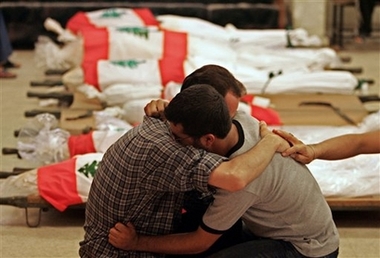
Lebanese people mourn near the bodies of relatives, draped in Lebanese flags, at a funeral house in the southern suburbs of Beirut , Lebanon , Wednesday, Aug. 9, 2006, during the mass funeral of Lebanese citizens who were killed when an Israeli airstrike hit an apartment building late Monday in the Beirut suburb of Chiah. A series of at least six missiles fired from Israel ships off the Lebanese coast slammed into the south Beirut suburbs Wednesday, as residents were conducting a funeral for some of the 41 victims killed in Israeli airstrikes there three days earlier, police said. (AP Photo/Hussein Malla)
Is it me or are the pictures identical? Except for the comforting hand offered by an otherwise invisible man?
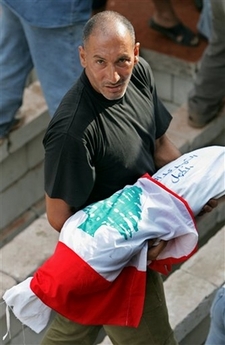
A Lebanese man holds the body of baby Abdallah, last name unavailable, draped in a Lebanese flag, as he prepares to bury him along with other citizens, at a cemetery in the southern suburbs of Beirut, Lebanon, Wednesday, Aug. 9, 2006, during the mass funeral of Lebanese citizens who were killed when an Israeli air strike hit an apartment building late Monday in the Beirut suburb of Chiah. A series of at least six missiles fired from Israel ships off the Lebanese coast slammed into the south Beirut suburbs Wednesday, as residents were conducting a funeral for some of the 41 victims killed in Israeli air strikes there three days earlier, police said. (AP Photo/Hussein Malla). This one is clearly posed.
Needless to say, the pictures are no longer available on MSM net archives (except perhaps one or two). I saved them during the war, with their original captions, when I noticed that the news agencies were surreptitiously pulling them. Sort of reminded me of Justin's Timberlake "Cry me a river" - The damage is done, so I guess I'll be leaving... These pictures are not news, they are propaganda efforts to indict Israel.


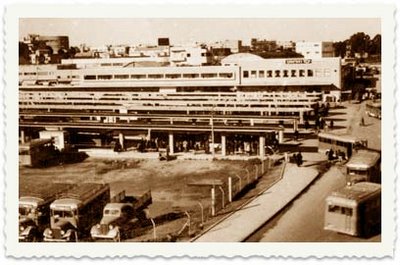
 Tel Aviv Opera House
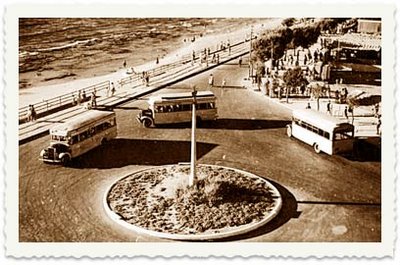
 Tel Aviv beaches
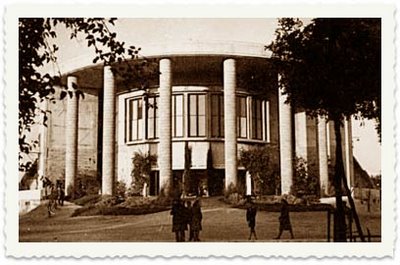
 Tel Aviv, Habima
 The Kibbutz





 Hadera cinema
 Zohar, Hadera open-air cinema


 This is
.jpg)




.jpg)
.jpg)
%20Farm.jpg)


,%20Sefad.jpg)
.jpg)